



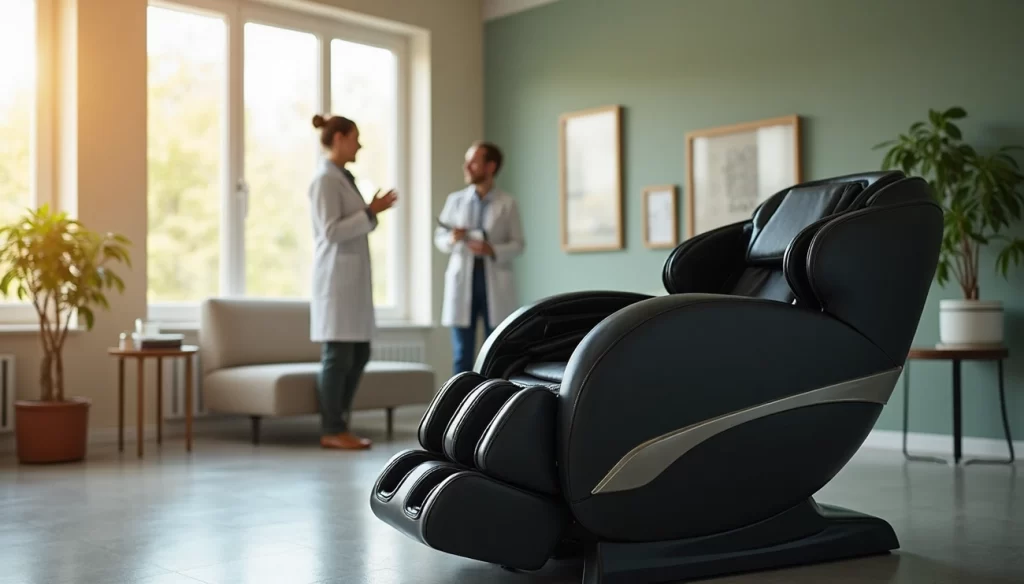
Massage chair benefits are nowhere near what you might expect. A 2020 medical study revealed something surprising – massage chair therapy proved 49.7% more economical than physiotherapy. It delivered the same pain relief benefits and improvements in quality of life.
Many people wonder whether massage chairs actually help or if they’re just fancy recliners. Research shows they’re worth every penny. Many users notice reduced neck pain, while many experience less back pain. Many also find relief from muscle soreness after regular sessions. These chairs can make a real difference with serious health issues too. Physiotherapists recommend them to ease chronic pain. They suggest using them three to four times weekly, with sessions lasting 10-30 minutes. The benefits go well beyond pain management. Users report better sleep quality – many report sleeping better. Regular sessions also support your overall sense of wellbeing.
This piece will walk you through what your body experiences during a massage chair session. You’ll learn which health conditions physiotherapists recommend them for, along with scientific evidence that backs these claims. We’ll also share practical guidelines that help you use these chairs safely and effectively. This information might help you decide if a massage chair could be the answer you’ve been looking for.
How massage chairs affect your body

Image Source: Woodstock Furniture & Mattress Outlet
Your body goes through several physical changes that boost your comfort and health when you sink into a massage chair. These advanced devices target multiple body systems at once to create healing effects.
Improved blood circulation through vasodilation
Massage chairs use rhythmic and circular motions to expand your blood vessels through vasodilation. Blood flows more easily throughout your body without raising your heart rate [1]. Studies show these chair sessions boost skin blood flow and temperature better than just resting [2].
The movements trigger pressure receptors under your skin and make blood vessels wider [3]. Zero gravity positioning lets your feet rise to heart level. This reduces spine pressure and improves blood flow even more [4]. Your muscles and tissues then receive oxygen and nutrients faster [5].
Muscle relaxation and tension release
These chairs use special techniques like kneading, rolling, and tapping to release muscle tension directly. Research shows roll-stretch and shiatsu massage can quickly relax muscles – even ones not being massaged.
Targeted pressure helps break down muscle knots from daily activities. High-end chairs add heat therapy. The gentle warmth raises tissue temperature and makes the mechanical massage work better.
Stimulation of the nervous system
The chair’s effect on your nervous system stands out. Research shows these sessions transform your autonomic balance. They shift you from sympathetic (“fight-or-flight”) to parasympathetic (“rest and digest”) mode. This explains why you feel deeply relaxed during and after sessions.
Your hormones change too. Studies show these chairs can lower cortisol levels and dehydroepiandrosterone-sulfate (DHEA-S) levels by a lot, They also release endorphins—your natural painkillers—and boost serotonin. This creates a deep sense of well-being. Regular users report better moods, less anxiety, and improved sleep because of these hormone changes.
Top health benefits physiotherapists recommend
Massage chairs have become trusted tools among physiotherapists who recommend them to treat various health conditions. Research backs up several key benefits these devices offer:
Pain relief for back, neck, and joints
The numbers tell a compelling story about pain relief. Many people who use massage chairs report less neck and back pain. A study in Medicine shows that massage chair therapy helps control chronic lower back pain based on the Visual Analog Scale (VAS). While traditional physiotherapy works slightly better, massage chairs cost 40% less and still deliver great results. These chairs target tight muscles to ease conditions like fibromyalgia and sciatica.
Better sleep and reduced fatigue
Sleep quality stands out as one of the best benefits. The relaxing effects help with insomnia by lowering cortisol and boosting sleep hormones. Studies show these chairs can help you get more REM sleep, and users sleep better at night. People who use them regularly feel less tired because the chairs boost blood flow and reduce stress.
Lower stress and anxiety levels
Research shows these chairs can help reduce cortisol levels, which helps manage long-term stress. The body releases feel-good chemicals like endorphins, serotonin, and dopamine during session. These natural mood boosters explain why people feel less depressed and healthier overall after using massage chairs.
Boosted immune system function
The chairs strengthen your immune system by:
- Supporting relaxation and recovery after activity
- Helping your lymphatic system remove toxins better
- Getting more oxygen to your tissues
Improved posture and flexibility
These chairs help your posture by taking pressure off your spine and helping it stay aligned. Your muscles relax around the spine, which lets your body keep its natural S-curve. The chairs work on tight spots that limit movement and loosen stiff muscles through targeted massage and stretching.Regular use helps your joints make more fluid, which reduces stiffness and lets you move without pain.
What the science says about massage chair therapy
Clinical studies have shown the therapeutic benefits of massage chairs. A quick review of research identified 18 studies that demonstrate positive effects on physical and mental health. The evidence strongly supports improvements in mental health.
Clinical studies on pain and inflammation
Research shows massage chairs help reduce pain and inflammation. A controlled trial found office workers who used massage chairs had less neck and shoulder pain. Their pressure pain thresholds also increased. Users experienced reduced muscle stiffness and felt less tired. The immune system gets stronger with massage therapy. It increases lymphocyte counts (including CD25+, CD56+, CD4+, and CD8+ lymphocytes) while reducing various interleukins and interferon-gamma levels.
Hormonal changes: cortisol and serotonin
Scientists have documented how massage chairs affect hormones. Regular use can help reduce cortisol levels. Cortisol levels tend to fall after a session.68 μg/dL. Massage therapy can help increase serotonin and dopamine, the body’s mood-regulating chemicals. A six-month controlled trial revealed even more benefits. Users had lower dehydroepiandrosterone-sulfate (DHEA-S) levels (-9.66 μg/dL). They also showed better depression rates and overall health.
Massage chairs vs physiotherapy: cost and outcomes
Massage chairs work well but haven’t matched physiotherapy yet. Traditional therapy shows slightly better results in pain control and quality of life, measured by Visual Analog Scale and Functional Rating Index. The cost advantage is clear though – massage chair therapy costs just 60.17% of physiotherapy. Patient satisfaction scores match those of physiotherapy. Both approaches work through different ways. Many physiotherapists now suggest using massage chairs alongside traditional treatment rather than replacing it.
When and how to use massage chairs safely
Proper usage guidelines help you get the most from your massage chair without risking injury. These therapeutic tools require moderation and careful attention to your body’s responses.
Recommended frequency and duration
The ideal session length is 15-20 minutes. You should start with brief 2-3 minute sessions if you’re new to massage chairs and slowly increase duration as your body adjusts. Your first few weeks should limit usage to once or twice weekly. Your muscles will adapt, allowing you to increase sessions to 3-4 times per week.
Regular users should avoid extended daily sessions because overuse reduces therapeutic benefits. People seeking relief from back, neck, or shoulder pain see optimal results with 3-4 weekly sessions. Stress relief needs differ from pain management and typically require just 1-3 sessions each week.
Who should avoid massage chairs
Several medical conditions make massage chair use inadvisable:
- Heart or circulatory condition patients need their cardiologist’s approval first
- People with open wounds, burns, or unhealed injuries
- Women experiencing high-risk pregnancies
- People with fever or contagious diseases
- Blood clot patients face risks of clots loosening and migrating
- Patients with kidney or liver conditions affecting waste processing
- People with inflammation that massage might worsen
Pacemaker users should avoid direct pressure on areas with implants,
Signs you may be overusing it
Your body sends clear signals about massage chair overuse. Watch for warning signs such as:
Muscle soreness lasting hours after use, unusual tiredness, and skin irritation or redness. Serious red flags include bruising, inflammation, and old injury flare-ups. A tender spot that becomes increasingly painful during sessions indicates overstimulation.
Your body knows what works best Something feeling wrong or too intense means you should adjust your approach.
Conclusion
Massage chairs are more than fancy furniture pieces—they serve as proven therapeutic tools with solid clinical evidence behind them. This piece shows how these devices affect multiple body systems at once and create positive changes that boost overall health.
Research clearly shows these chairs work. Studies prove they cut down pain, lower stress hormones, and help blood flow at nowhere near the cost of regular physiotherapy. The evidence is encouraging: many users report less neck pain and many say their back pain improved. That’s why more physiotherapists now recommend them to patients.
The value these chairs provide often raises questions about their cost. Looking at the evidence, they’re worth the investment if used right. Knowing how to change your nervous system from “fight-or-flight” to “rest and digest” mode explains their deep impact on physical and mental health.
Note that balance is essential to get the best results. Expert recommendations point to 15-20 minute sessions, three to four times weekly. Your body signals when you’ve done enough—watch out for lasting soreness, unusual tiredness, or skin issues as signs to cut back.
These chairs can’t fully replace professional healthcare. They work best among other traditional treatments to manage chronic pain, stress, and sleep issues. Anyone with specific medical conditions should check with their healthcare provider before starting regular sessions.
Better circulation, less muscle tension, reduced stress, improved sleep, and a stronger immune system are great reasons to think over getting a massage chair. These benefits, plus their economical value compared to ongoing physiotherapy, make them a smart choice to maintain long-term health.
FAQs
Q1. How often should I use a massage chair for optimal benefits?
For best results, use a massage chair 3-4 times per week, with sessions lasting 15-20 minutes each. Start with shorter sessions and gradually increase the duration as your body adjusts. Listen to your body and avoid overuse to maintain the therapeutic effects.
Q2. Can massage chairs help with chronic pain conditions?
Yes, massage chairs can be effective for chronic pain relief. Studies suggest many users experience less neck pain, and many reported reduced back pain. They can help alleviate conditions like fibromyalgia and sciatica by targeting tight muscles and improving circulation.
Q3. Are there any health risks associated with using massage chairs?
While generally safe, certain individuals should avoid or consult a doctor before using massage chairs. This includes people with heart conditions, open wounds, high-risk pregnancies, blood clots, or kidney/liver issues. Always follow usage guidelines and stop if you experience persistent soreness or unusual fatigue.
Q4. How do massage chairs compare to traditional physiotherapy?
Massage chairs have shown comparable effectiveness to physiotherapy for pain relief and quality of life improvement, albeit slightly lower. However, they are significantly more cost-effective, costing only about 60% of traditional physiotherapy. Many physiotherapists recommend massage chairs as a complementary treatment rather than a replacement.
Q5. What are the mental health benefits of using a massage chair?
Regular use of massage chairs can significantly reduce stress and anxiety levels. They’ve been shown to help lower cortisol (the stress hormone) levels while increasing mood-enhancing hormones like serotonin and dopamine. Users often report improved sleep quality, reduced fatigue, and better overall mental well-being.
Ready to explore? Compare the full Chilink massage chair range and find the right model for your home.